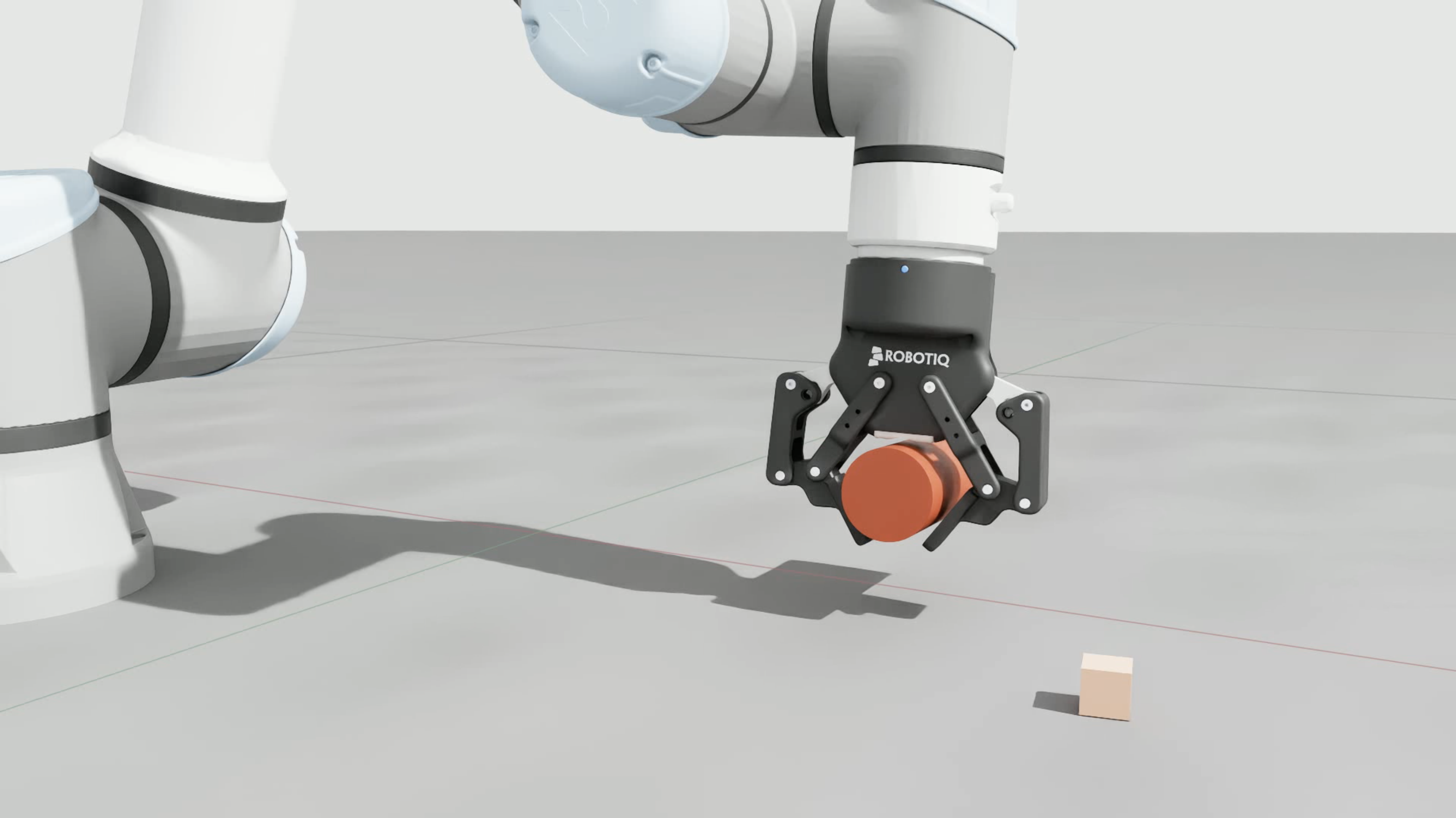
Robotiq Releases New 2F-85 Isaac Sim Asset on Newton
If you have put a Robotiq 2F-85 into an NVIDIA Isaac Sim scene and closed it on an object, you have probably seen the fingers...

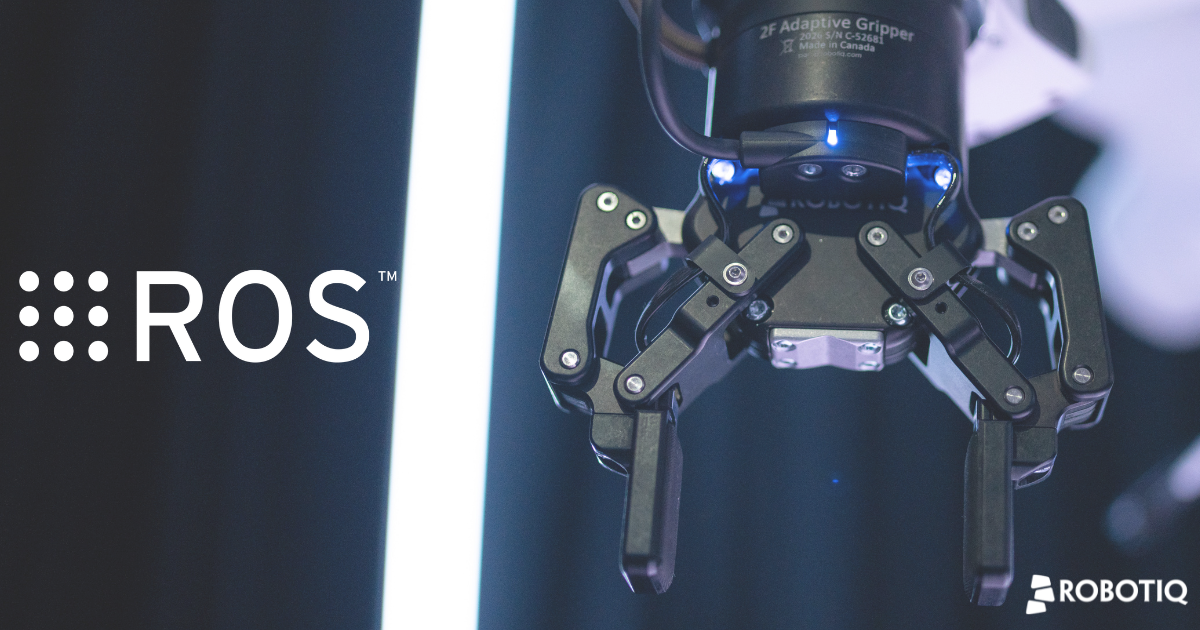
Robotiq Releases ROS 2 Packages for Adaptive Grippers
If you run a Robotiq gripper in the Robot Operating System (ROS) 2 workspace today, you are almost certainly running PickNik...
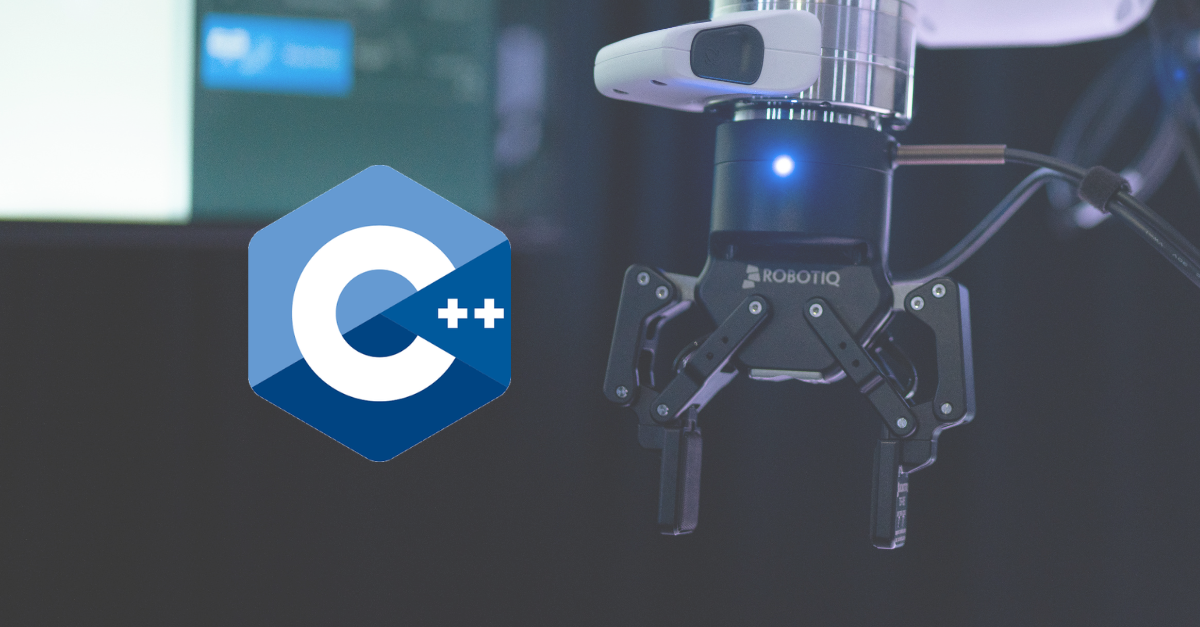
Robotiq Releases an Open-Source C++ SDK for Adaptive Grippers
As physical AI moves from research into real applications, developers need a solid primitive that meets them where they work:...
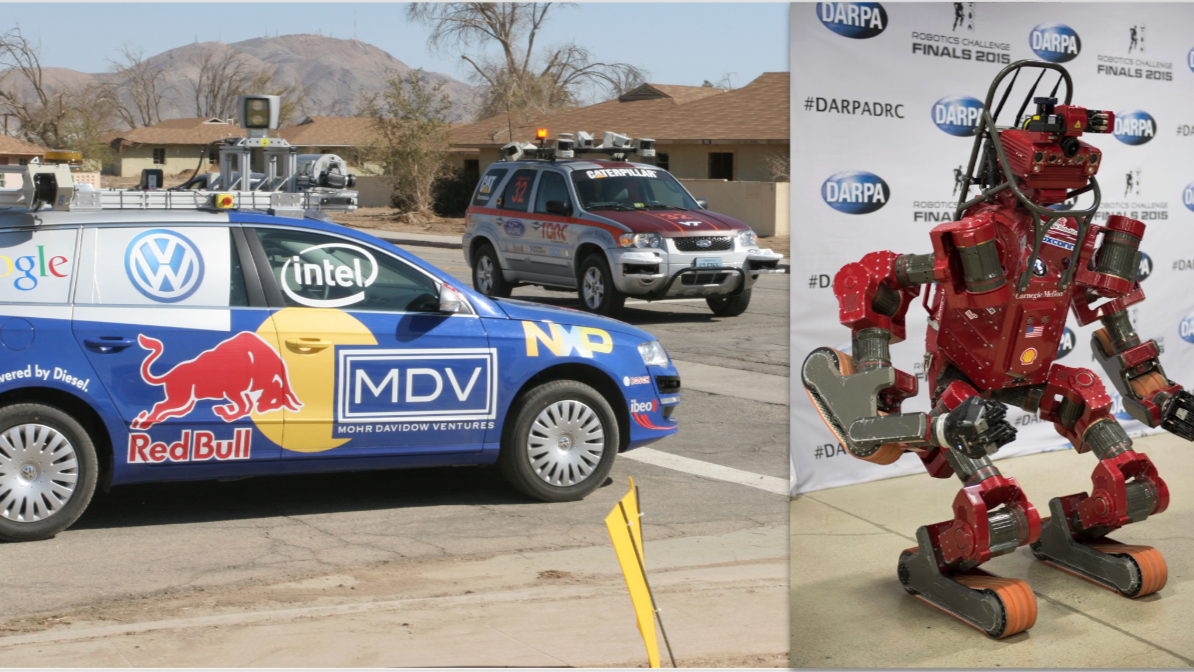
Physical AI: The DARPA Legacy & the Road Ahead — The Parallel Playbook: What Autonomous Driving Can and Can’t Teach Physical AI
The DARPA challenges offer a useful playbook for physical AI. They show how an impressive technical demonstration can help...

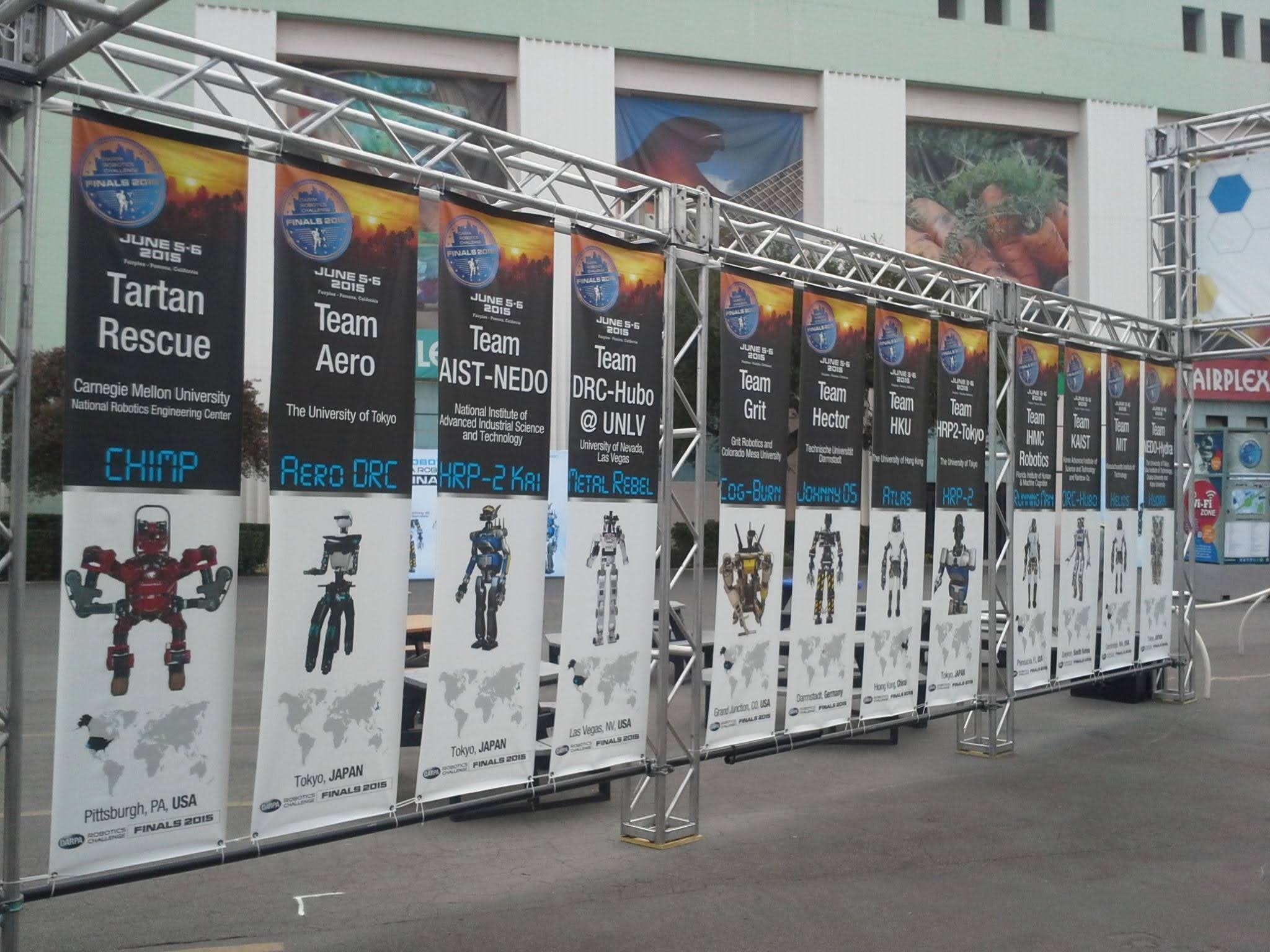
Physical AI: The DARPA Legacy & the Road Ahead — From Face-Plants to Foundation Models
Part 1 of 2, Physical AI: The DARPA Legacy & the Road Ahead. What the DARPA Robotics Challenge Actually Built—and Why It Still...
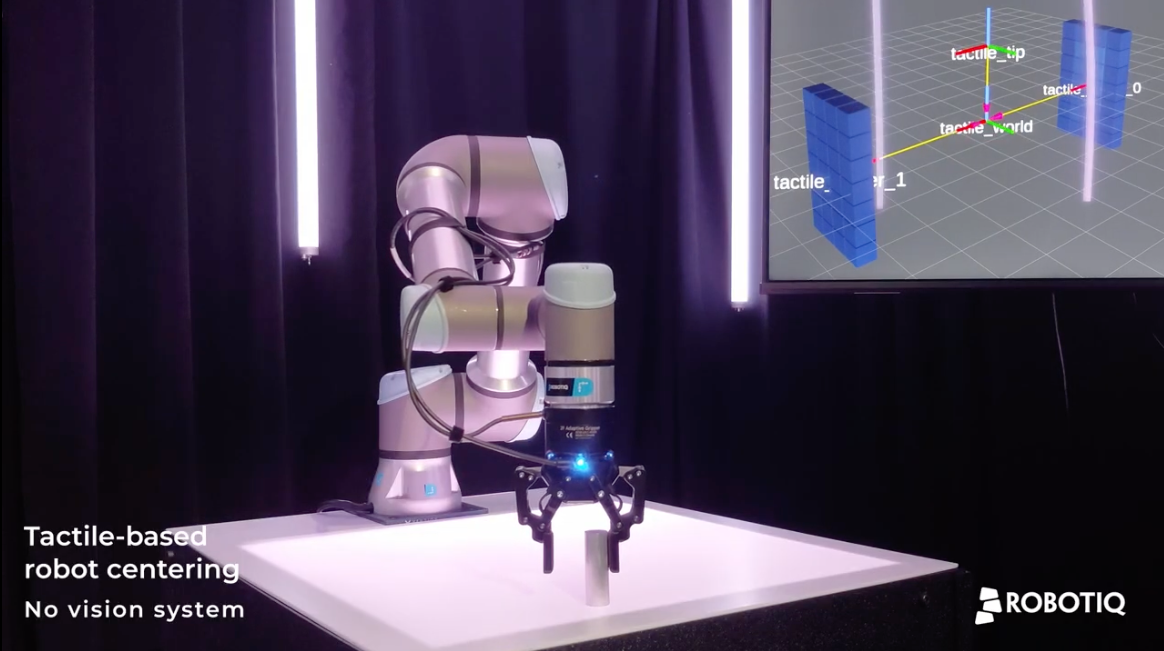
Tactile-Based Robot Centering as a Capability for Dexterous Manipulation
A robot does not always grip a part exactly where intended. Vision may guide the gripper close, but camera calibration, part...
-modified.png)
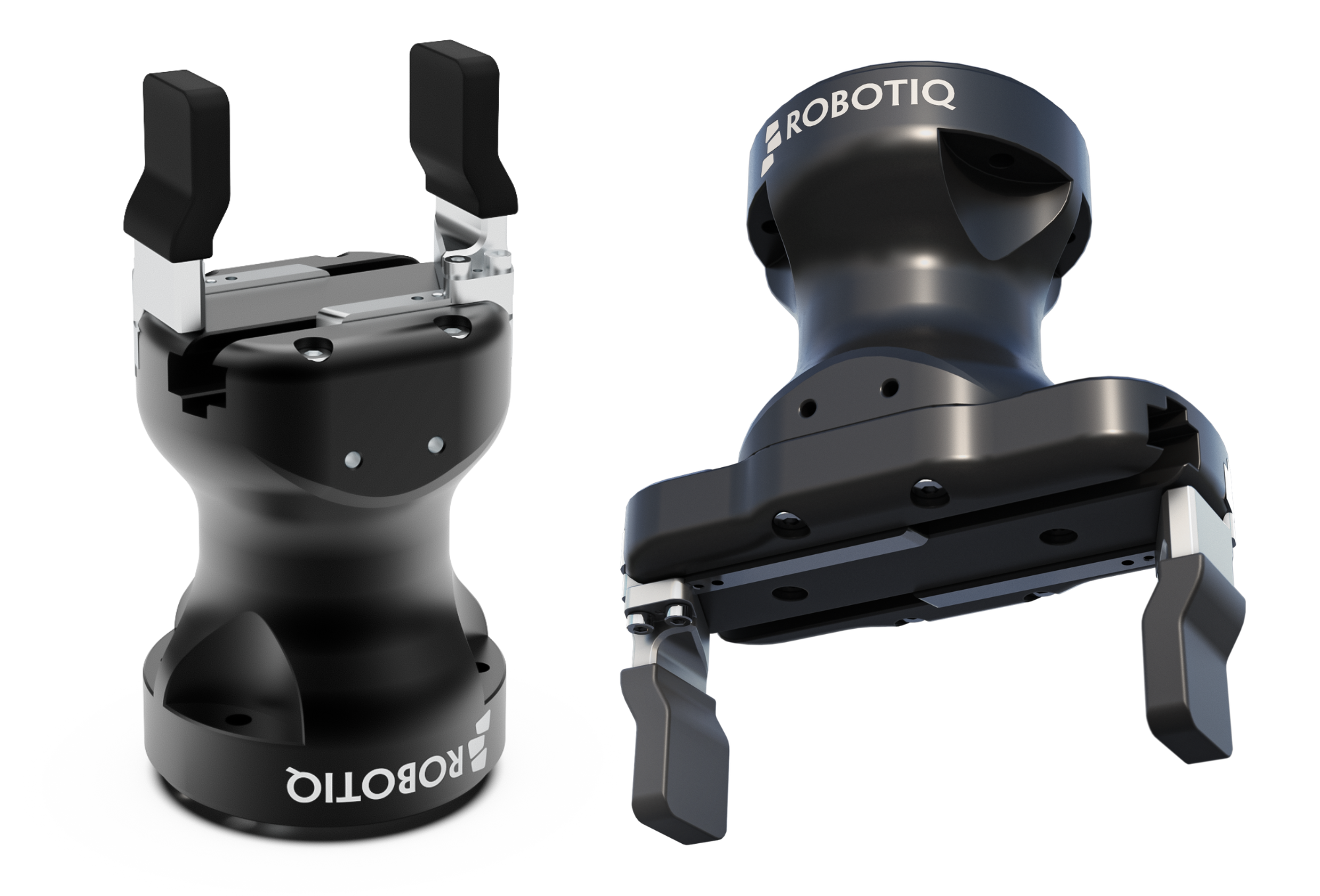
Hand-E Now Reaches 100 mm Without Giving Up an Ounce of Precision
If you've been using Hand-E Adaptive Gripper on your production line, you already know why it's earned its reputation: a...
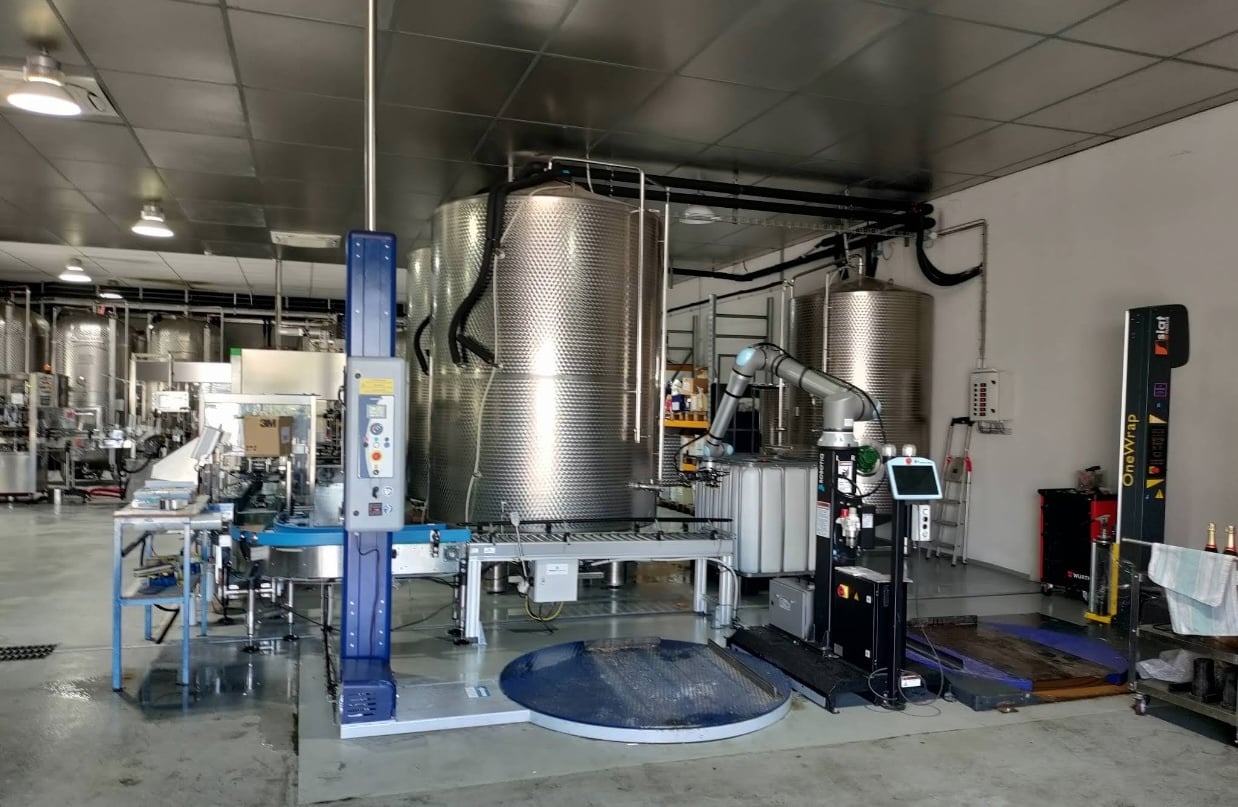
Small Team, Big Output: The Wine Bottler Bulles Création Automates Its End-of-Line with Robotiq Cobot Palletizing
In the heart of Provence, a small French bottling company is proving that automation isn't just for large manufacturers. Bulles...

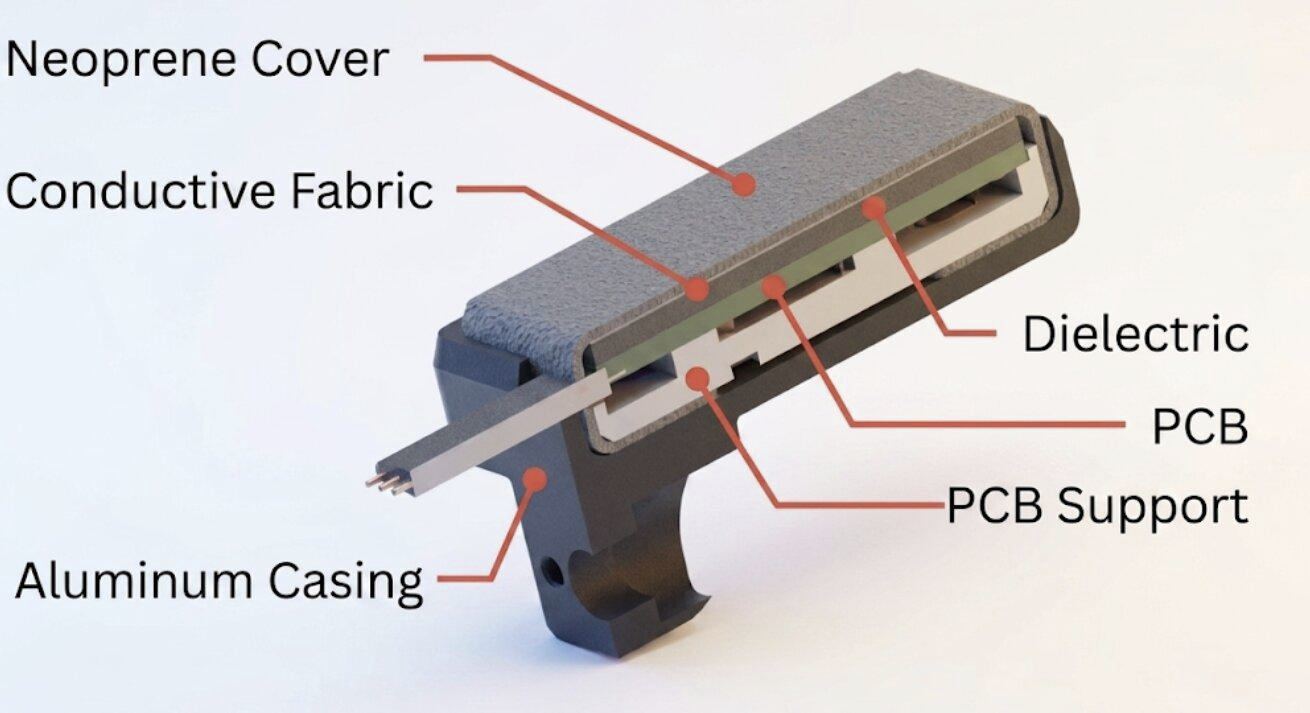
How Robotiq Built the TSF-85 Tactile Sensor to the Spec of the Human Hand
Read the full technical article from Jennifer Kwiatkowski on Tech Brief.For teams building contact-rich manipulation, tactile...
Leave a comment