
Redefining the Integration Model - Part 1

What is "Valuable Busyness" for System Integrators? If you run or manage a robotics integration business, your engineering schedule is probably slammed, your technical team is pulling 60-hour weeks, and your sales pipeline is full.
On paper, business is booming. But when you look at end-of-quarter financials, project margins are razor-thin, delivery timelines are stretching, and your senior technical talent is burnt out.
This brings us to a critical question every integrator owner must eventually ask: Is your team experiencing Reactive Busyness or Valuable Busyness?
Not all busyness is created equal
High-performing technical teams love solving complex engineering puzzles. When a new customer request comes through the door, the default instinct is often: "We can build a custom system for that."
When every standard box-stacking application is treated like a blank-canvas engineering project, your team gets trapped in Reactive Busyness:
- Unpaid Pre-Sales Engineering: Technical talent spending dozens—sometimes extensive hours drawing custom CAD models and reach studies for quotes before a contract is signed.
- Prototype Risk: Custom-designed frames and unproven mechanical setups carrying trial-and-error risk that burns project margins during site commissioning.
- Firefighting On-Site: Senior engineers stuck on client floors for weeks debugging basic motion routines instead of taking on high-margin strategic projects.
What is valuable busyness?
Valuable Busyness happens when your engineering hours are directly tied to high-margin revenue, scalable growth, and long-term customer value.
Instead of reinventing the wheel on standard applications, an engineering team in a state of Valuable Busyness spends their time:
- Focusing on High-Margin Custom Work: Applying specialized engineering talent exclusively to complex, bespoke projects that command premium fees.
- Building Stronger Customer Relationships: Spending time with factory floor operators, improving user adoption, and identifying account expansion opportunities.
- Scaling Repeatable Projects: Deploying pre-validated workcells predictably, scaling project volume, and moving predictably to the next line.
The operational shift: Manual vs. Automatic integration
Shifting your team from reactive busyness to valuable busyness requires moving away from manual, expert-dependent integration toward Automatic Integration.
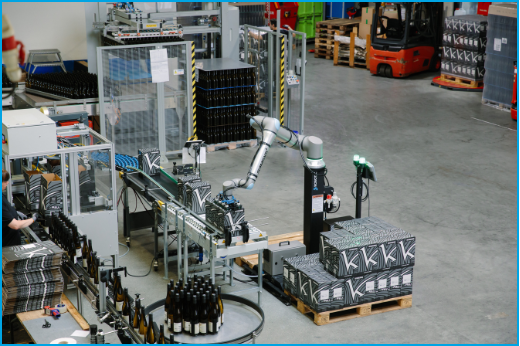
By pairing software workflow tools like Robotiq IQ with standardized hardware components, integration partners scope, simulate, and deploy standard Generated Workcells in a fraction of the time—without tying up custom engineering resources.
|
Project Phase |
Reactive Busyness (Manual Integration) |
Valuable Busyness (Automatic Integration) |
|
Lead Qualification |
Quoting every lead equally; spending high technical effort on low-probability requests. |
Filtering leads upfront on the first call using the Business Qualification Sheet and Ideal Customer Profile (ICP). |
|
Pre-Sales Scoping |
Weeks of manual CAD work, reach studies, and estimated cycle-time spreadsheets. |
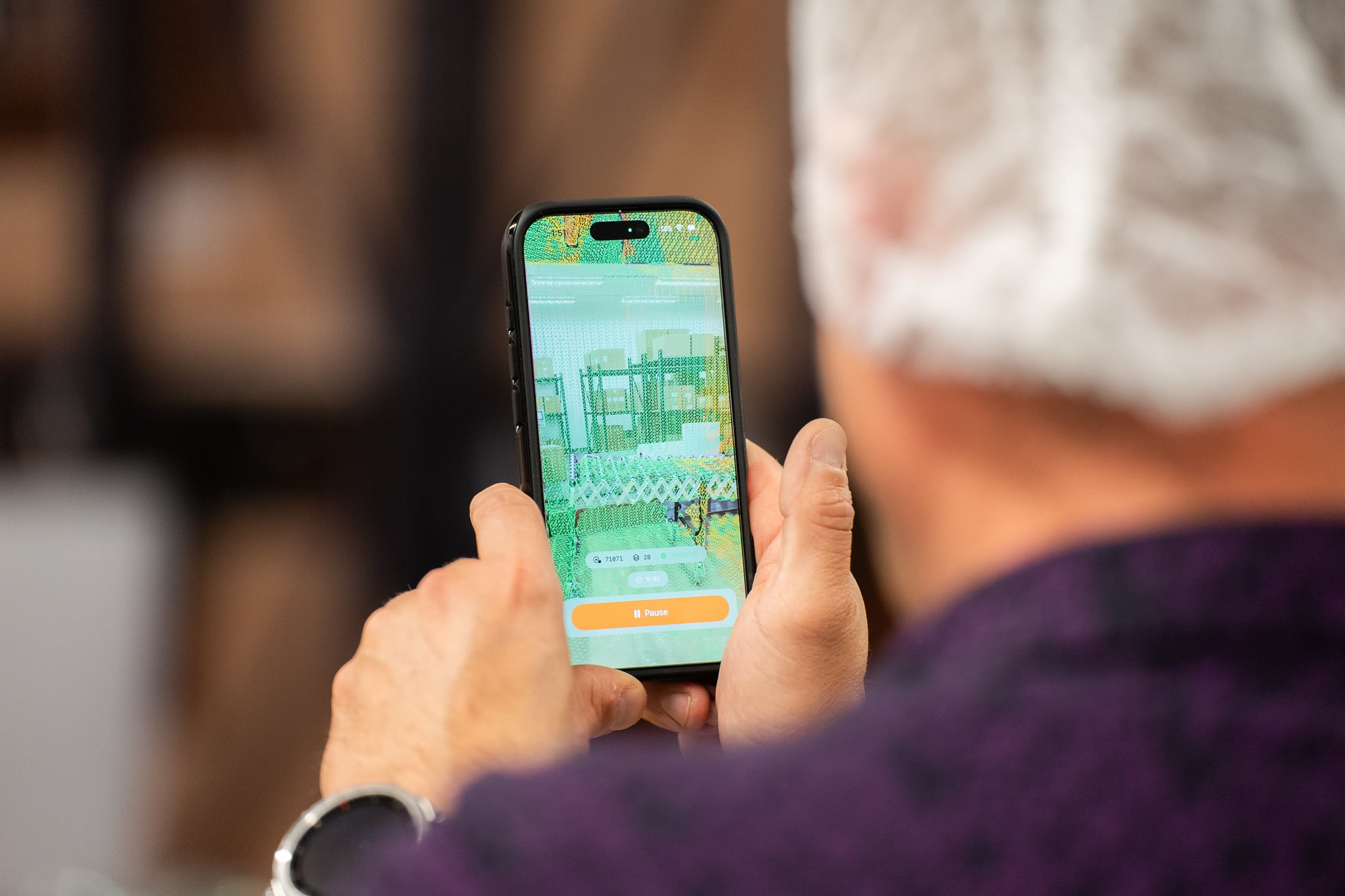
Automated 3D site scanning and SKU simulations generated instantly in Robotiq IQ. |
|
Hardware Execution |
One-off prototypes and custom structures engineered from scratch. |
Pre-validated, standardized PAL Ready Workcells and proven end-effectors. |
|
Engineering Focus |
Babysitting standard cell Commissioning and troubleshooting site issues. |
Predictable floor deployment, freeing engineers to deeply analyze customer workflows and tackle high-margin custom projects. |
What’s Next? Understanding the shift is the first step. But what does it look like in practice?
In Part 2 of this series, we’ll look at how premier Italian integrator Alumotion applied this exact framework to triple their annual project output and grow palletizing to 22% of their business. Stay tuned.

Leave a comment